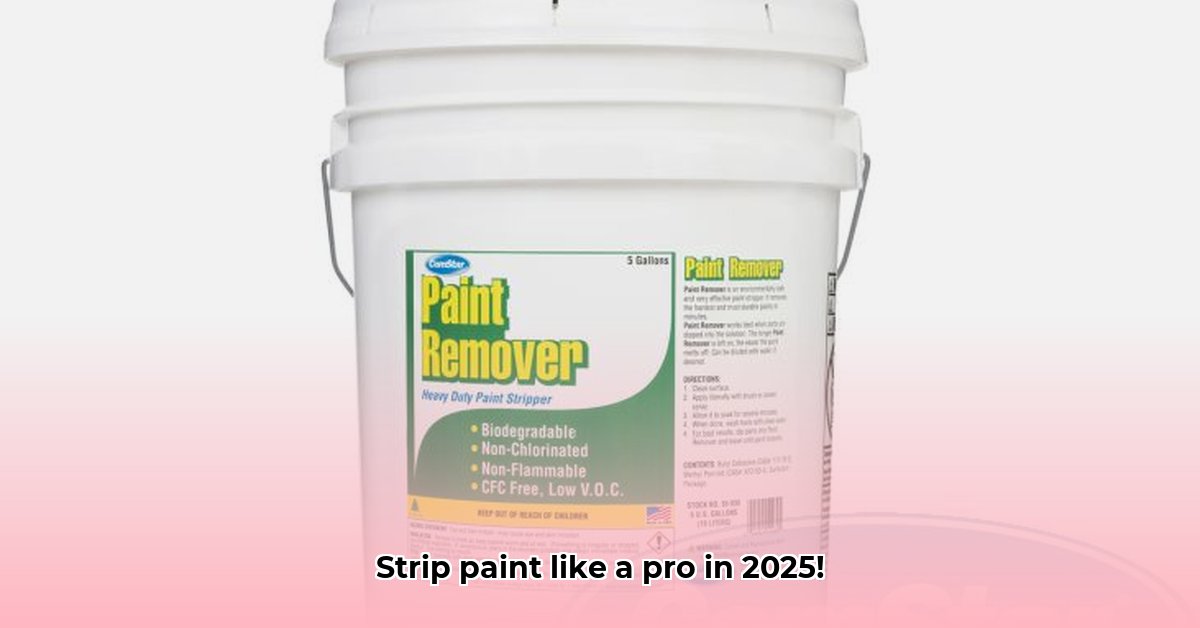
Choosing the Right Paint Remover: A Comprehensive Guide
Navigating the world of paint removers can be daunting. With countless options available, selecting the right product for your specific needs requires careful consideration of several key factors. This guide will help you make an informed decision, whether you're a seasoned professional or a DIY enthusiast tackling a weekend project. We'll cover everything from understanding your project's unique requirements to mastering safe and effective application techniques, ensuring a successful paint removal experience.
Understanding Your Project's Needs
Before selecting a paint remover, consider these crucial factors:
- Paint Type: Oil-based paints are notoriously difficult to remove and often require stronger chemical strippers than water-based paints.
- Surface Material: The type of surface you're working on (wood, metal, masonry, etc.) drastically impacts your choice. Some strippers will damage certain materials.
- Number of Paint Layers: Removing multiple layers requires a more powerful stripper capable of penetrating through multiple coats.
- Environmental Concerns: Prioritize low-VOC (volatile organic compound) or biodegradable options to minimize your environmental impact.
- Time Constraints: Some strippers work faster than others, trading speed for potentially stronger chemicals. Consider your project timeline and your tolerance for fumes.
- Budget: The cost per unit area varies significantly between products. Balance the initial cost against the time and effort saved.
Top Paint Removers: A Comparative Review
The following table compares several popular paint removers based on various key performance indicators. Remember that individual experiences may vary, and these ratings are based on a combination of professional reviews and user feedback.
| Paint Remover | Odor Intensity (1-5) | Working Time (approx.) | Multiple Layers? | Surface Compatibility | Cost/sq ft (estimate) | Environmental Impact (1-5) | Cleanup Ease (1-5) | Application Method(s) |
|---|---|---|---|---|---|---|---|---|
| Dumond Smart Strip | 2 | 4-24 hours | Yes | Wood, Metal, Masonry | Moderate | 4 | 4 | Brush, Roller |
| Max Strip | 3 | 1-2 hours | No | Metal, Wood | Low | 3 | 3 | Brush |
| Blue Bear 605Pro | 2 | 2-4 hours | Yes | Wood, Metal | High | 4 | 3 | Brush, Roller |
| Sunnyside Hi-Speed | 1 | 30 minutes | No | Wood | Moderate | 5 | 4 | Brush |
| D Super Remover | 5 | 15+ minutes | Yes | Wood (specific types) | High | 3 | 3 | Brush |
| Max Strip All Purpose Spray | 3 | 30-60 minutes | No | Metal, Automotive | Moderate | 3 | 4 | Spray |
| Motsenbocker's Lift Off | 2 | 1-4 hours | Yes | Masonry, Concrete | Moderate | 4 | 4 | Spray |
| Citristrip | 1 (Citrus Scent) | 2-4 hours | Yes | Wood, Metal, Masonry | Moderate | 3 | 3 | Brush |
Note: Cost per square foot is an estimate and depends on surface texture and paint thickness. Odor intensity is subjective.
Safety First: Essential Best Practices
Working with paint removers requires prioritizing safety. Always wear appropriate personal protective equipment (PPE), including:
- Chemical-resistant gloves (NOT latex!)
- Eye protection
- A respirator to prevent inhaling fumes
Work in a well-ventilated area, ideally outdoors or with a powerful fan to ensure proper air circulation. Never work near open flames or sparks. Consult the product's Safety Data Sheet (SDS) for specific safety precautions.
Step-by-Step Guide: Effective Paint Removal
1. Surface Preparation: Thoroughly clean the surface to remove loose debris and dust. Use painter's tape to mask off any adjacent areas you don't want to be affected by the remover.
2. Application: Apply a thin and even coat of the chosen paint remover according to the manufacturer's instructions. A brush is ideal for detailed work, while a roller is more efficient for large areas.
3. Dwell Time: Allow the remover to work for the recommended time. Do not rush this process; sufficient dwell time is crucial for effectiveness.
4. Paint Removal: Use a plastic scraper or putty knife to gently remove the softened paint. Avoid scratching or gouging the underlying surface, especially with delicate materials like wood.
5. Neutralization: Some removers require neutralization after scraping. Follow the product instructions carefully, usually involving a water rinse or specific neutralizer solution.
6. Cleanup: Dispose of waste properly according to local regulations. Thoroughly clean your tools with an appropriate solvent or cleaner.
Choosing the Right Remover: Key Considerations
The optimal paint remover depends on a combination of factors:
- Speed vs. Safety: Faster acting removers often employ stronger chemicals, so weigh the benefits of speed against potential risks.
- Environmental Impact: Select low-VOC or biodegradable options to minimize environmental harm.
- Surface Compatibility: Always ensure that the remover is compatible with your target surface material.
- Budget: Compare the cost per unit area to determine the most cost-effective option for your project.
Addressing Multiple Paint Layers
Removing multiple layers of paint requires a powerful stripper capable of penetrating through each coat. Some products—such as Peel Away 1— are specifically designed for this purpose. Always test a small, inconspicuous area first to ensure compatibility and assess effectiveness before proceeding. Multiple applications may be necessary, depending on the thickness of the paint layers and the stripper's capabilities.
Conclusion
Selecting the right paint remover is critical for a successful paint removal project. By carefully considering the factors discussed in this guide and following recommended safety practices, you can achieve professional results and make the task less daunting. Remember that proper preparation, careful application, and safe disposal are equally important aspects of the process.
⭐⭐⭐⭐☆ (4.8)
Download via Link 1
Download via Link 2
Last updated: Wednesday, May 14, 2025